A construction and demolition load behaves differently from a household cleanout: it is heavier per cubic yard and dominated by dense material like concrete, asphalt shingles and plaster. Because of that weight,…
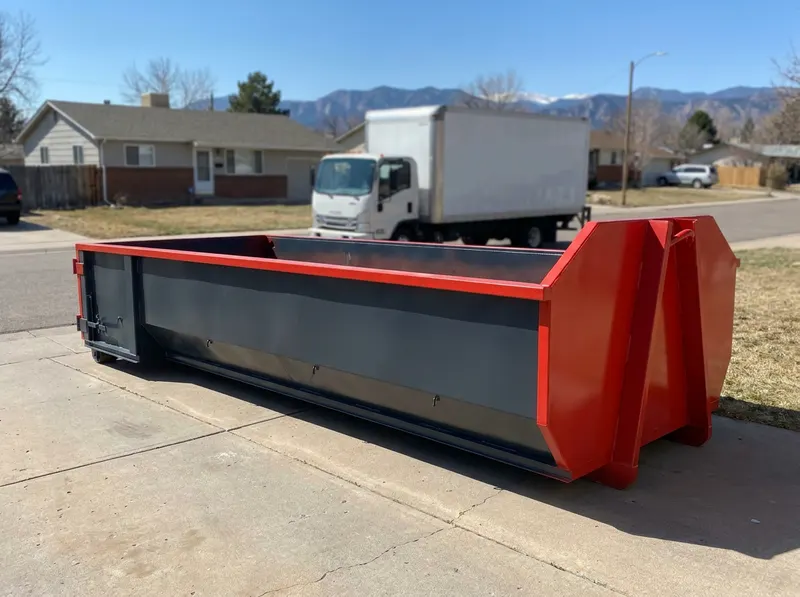
A construction and demolition load behaves differently from a household cleanout: it is heavier per cubic yard and dominated by dense material like concrete, asphalt shingles and plaster. Because of that weight, Ridgeback Dumpster Rental prices these containers flat, the number you are quoted is the number you pay, with no end-of-haul tonnage surprise. The U.S.
EPA reports that construction and demolition debris makes up more than twice the tonnage of municipal solid waste nationally, and over 90% of it is concrete, asphalt and wood, exactly the mix these roll-offs are built for.
Size to the job, not the lot. A 10-yard ($595) suits a single bathroom gut or a small deck tear-off and holds roughly four pickup-truck loads. A 15-yard ($650) or 20-yard ($695) fits a kitchen remodel or a two-room flooring replacement.
A 30-yard ($795) handles a whole-house renovation or a garage demolition, and the 40-yard ($895) absorbs a commercial tenant finish or a full roof tear-off across a large footprint. If it is a single-room cleanout, choose the 10 or 15; if it is a roof tear-off or framing demo, choose the 30 or 40, the trade-off is driveway footprint against how many trips you avoid. A loaded 30-yard of shingles can exceed a 10-yard of drywall in weight while taking the same floor space, which is why the heavy stuff still fits on these containers that OSHA construction jobsites rely on for keeping walking surfaces clear.
Denver's mix of 1890s Capitol Hill and Baker rowhouses, Washington Park bungalows and newer Stapleton (Central Park) builds means driveways and alley access vary block to block.
In the tight lots off Highlands (LoHi) and Sloan's Lake, the 10- and 15-yard drop onto a single-car driveway without blocking the sidewalk; wider Park Hill and Montbello lots take the 30- and 40-yard comfortably. Boards are placed under the container's rails so the driveway stays protected, no gouged concrete. For projects staged in the public right-of-way near Cherry Creek or along a Berkeley arterial, Denver requires a permit; the city's Department of Transportation & Infrastructure issues right-of-way occupancy permits, while a driveway placement on your own property needs none.
Separating clean material pays off.
A load that is only clean concrete or only wood can route to a recycler rather than the landfill; Earth911 and the Colorado Department of Public Health & Environment both maintain directories for C&D diversion. What cannot go in any container: paint, solvents, asbestos-containing material, and other household hazardous waste, plus tires and refrigerant appliances. Appliances with Freon and concrete slabs are often handled under a dedicated heavy-material plan rather than mixed debris.
Booking runs in five steps: Step 1, text a photo or describe the job; Step 2, confirm the size and flat price; Step 3, we schedule a delivery window; Step 4, the roll-off is set on protective boards where you direct; Step 5, you call for pickup when it is full. Industry sizing guidance from the National Waste & Recycling Association and reuse options through Habitat for Humanity ReStore round out what a remodel crew typically weighs before ordering.
Every job gets a firm, written price after an on-site visit.
Tell us about your construction & c&d dumpster rental job in Denver and we'll send a clear, written quote, usually the same day.
 Ridgeback Dumpster Rental